
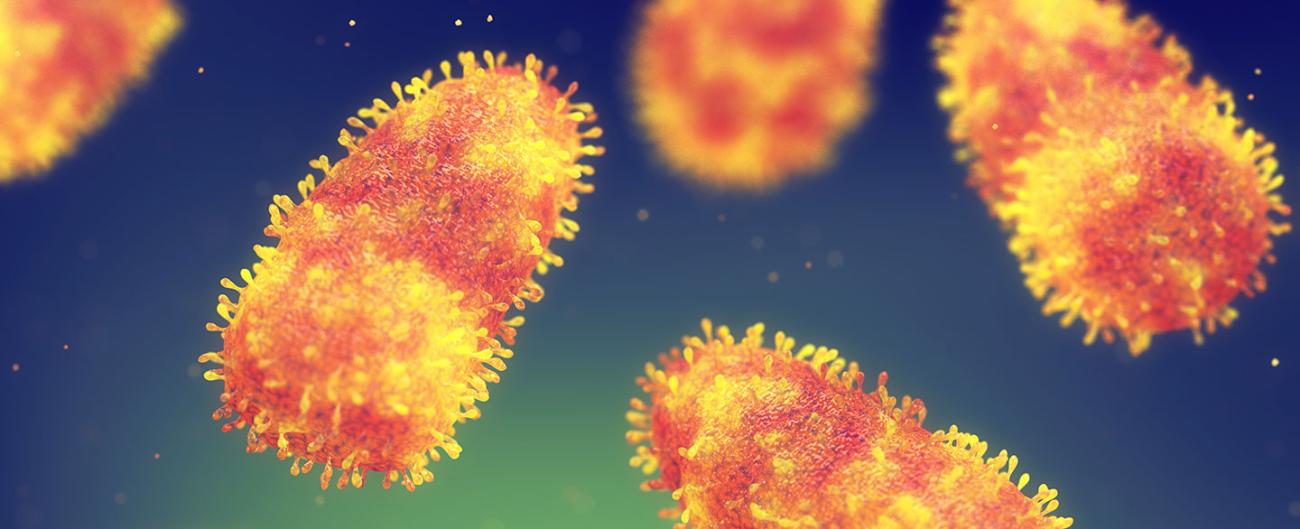
Rabies is a preventable viral disease that can infect both animals and humans. The virus causes acute encephalitis (inflammation of the brain) and is transmitted through close contact with an infected animal – usually through a bite or scratch.
If an exposed person or animal is not treated quickly, the rabies virus is fatal.
Rabies Information
How is rabies transmitted?
The rabies virus is most commonly transmitted through contact with saliva that may enter the body through a bite wound, scratch, open cuts in the skin, and through mucous membranes such as the mouth or eyes. If you have been bitten or scratched by an animal of unknown vaccination history, wash the wound immediately and seek medical attention.
The Centers for Disease Control and Prevention provides in-depth information on rabies - click here for that information.
Does my dog, cat or ferret need to be vaccinated against rabies?
YES! North Carolina General Statute 130A-185 states the owner of a dog, cat or ferret over four months of age shall have the animal vaccinated against rabies.
Cats & Rabies
Cats - The most commonly rabies-infected domesticated animal is the cat. The American Bird Conservancy's Cats Indoors! campaign provides helpful tips on how to reduce your cats interaction with wildlife, thereby lowering their exposure to the rabies virus among other diseases. To learn more about the Cats Indoors! campaign, click here!
Bats & Rabies
If you find a bat in your home, do not try to capture it yourself, instead try to enclose it on a small room or area then call animal control.
Generally you will know if you've been bitten by a bat but there are instances where the bite may not be evident as the teeth are quite small. If you awake in a room and find a bat there, or if you find a bat in the room with an unattended child, contact animal control and seek medical consultation.
In North Carolina, only 3% of the bat population is infected with the disease. An excellent source for more information about bats and the benefits they provide to the environment is available from Bat Conservation International.
Where can I find the current Compendium on Rabies Control?
The National Association of State Public Health Veterinarian's Compendium of Animal Rabies Prevention and Control (2016) can be found here.
Where can I get a low-cost rabies vaccine for my dog, cat or ferret?
Upcoming low-cost rabies clinics can be found on our Events page!